
Top 10 Foods You Should Never Dispose of in Your Garbage Disposal
Garbage disposals are an essential part of modern kitchens, simplifying the process of cleaning up after meals by grinding food waste and sending it down the drain. However, not all food items are suited for disposal in these units. Introducing certain foods can lead to clogs, damage to the disposal, or even costly plumbing problems. To help you maintain an efficient and functional garbage disposal, we've compiled a list of the top ten foods you should never dispose of in your garbage disposal.
1. Fibrous Vegetables
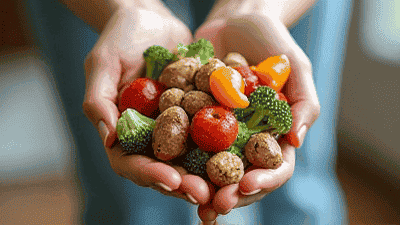
Fibrous vegetables, such as celery, asparagus, and corn husks, should never be put in your garbage disposal. The tough fibers can wrap around the blades, causing jams and potential damage. Disposal units are designed to handle soft food scraps, and fibrous vegetables can hinder their performance. Instead of throwing these vegetables down the disposal, consider composting them or disposing of them in your regular trash.
Why It Matters
Fibrous vegetables not only risk damaging the grinder but can also lead to long-term issues in your plumbing. When the fibers become entangled, they can create blockages further down the drain, leading to a more significant problem that requires professional plumbing services.
2. Starchy Foods
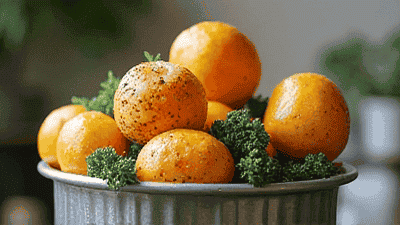
Starchy foods, including potato peels, rice, and pasta, can swell and create a paste-like substance when they come into contact with water. This can quickly lead to clogs in your disposal and plumbing. Potato peels, in particular, can accumulate and stick to the walls of your pipes, creating a stubborn blockage.
Recommended Alternatives
To avoid these issues, consider using a compost bin for your starchy scraps, especially if you regularly prepare meals with potatoes or pasta. This way, you can reduce waste while ensuring your disposal remains functional.
3. Grease and Oils
Dumping grease, oil, or fat into your garbage disposal is a common mistake that can have serious repercussions. These substances can solidify inside your pipes and create major clogs. Even if the disposal seems to handle the grease at first, it can quickly cause problems as the grease cools and hardens.
Effective Disposal Methods
Instead of disposing of grease through your disposal, collect it in a container and allow it to cool. You can then throw it in the trash or, in some cases, recycle it at designated centers. Many communities have programs for cooking oil disposal that prevent environmental contamination.
4. Eggs and Eggshells

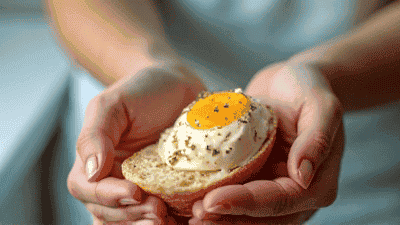
While many people believe that eggshells can help clean the blades of the disposal, this is a myth. Eggshells contain a membrane that can create clogs and may not break down effectively in the disposal. The small particles can linger in the pipes, leading to accumulated waste over time.
Better Ways to Use Eggs
If you deal with eggs frequently, consider using a compost bin for the shells or simply place them in the trash. Doing so will prevent any potential issues down the line.
5. Coffee Grounds
Coffee grounds are another surprising food item that should never make their way into your garbage disposal. While many people think they can flush them down without issue, coffee grounds tend to clump together and form sludge, leading to major clogs. Over time, these grounds can create a thick, sticky residue in your pipes.
Alternatives to Disposal
Consider using coffee grounds as a natural fertilizer in your garden or compost bin instead. They provide nutrients to the soil and can help improve drainage.
6. Bones
Many garbage disposals are not equipped to handle bones, especially larger ones. While smaller bones may be ground up a bit, they can still cause issues for the disposal. Larger bones can jam the blades, leading to damage and functionality problems.
Proper Disposal Methods
Dispose of bones in your regular trash to avoid causing any issues with your garbage disposal. If you have a pet, consider giving them the bones as a treat, but be cautious about which bones are safe for consumption.
7. Fruit Pits and Seeds
Fruit pits and large seeds from fruits such as peaches, avocados, and cherries are too hard for most disposals to handle. They can damage the blades or even break the motor. While you may think these items will break down in the disposal, the reality is that they can cause severe harm.
Safe Alternatives
Remove any pits and toss them in the trash or compost them. If you enjoy making smoothies or purees, be sure to check for and remove any seeds or pits before using your blender.
8. Large Food Scraps
While it may be tempting to dispose of large food scraps in your garbage disposal, doing so is not advisable. Disposals work best with smaller scraps that can be ground down easily. Large pieces can lead to jams and inefficient operation.
Best Practices for Disposal
Cut large food scraps into smaller pieces before placing them in the disposal. This ensures the appliance can grind them down to a safe size effectively.
9. Non-Food Items
This might seem like an obvious tip, but you would be surprised at how often people accidentally dispose of non-food items in their garbage disposals. Items such as paper, plastic, glass, and metal can seriously damage the disposal and lead to costly repairs.
How to Prevent Accidental Disposal
Be mindful and avoid using your disposal for anything other than food waste. Consider designating a trash bin specifically for non-food waste to prevent accidental disposal.
10. Cleaning Products
Lastly, cleaning products should never be dumped down your garbage disposal. Many cleaning chemicals can corrode the internal components of the disposal and pipes, leading to leaks and system failures.
Safe Cleaning Practices
Instead of pouring cleaning products down the drain, use them as directed and dispose of any excess according to local regulations. Use natural alternatives like vinegar or baking soda to clean your disposal without damaging it.
Conclusion
Understanding what you should never dispose of in your garbage disposal is crucial to maintaining a healthy and functional kitchen. By avoiding fibrous vegetables, starchy foods, grease, eggshells, coffee grounds, bones, fruit pits, large scraps, non-food items, and cleaning products, you can significantly reduce the risk of clogs and damage.
Proper disposal practices not only extend the life of your garbage disposal but also contribute to the overall health of your plumbing system. Remember to educate guests and family members about the importance of using the disposal correctly. Instead of relying solely on your garbage disposal, consider alternative methods for handling food waste, such as composting or trash disposal.
Following these guidelines will ensure your kitchen runs smoothly while minimizing environmental impact. A little knowledge goes a long way in keeping your home care routine efficient and effective. With proper care and awareness, you can enjoy the benefits of a reliable garbage disposal and a clean, convenient kitchen environment.
-
 Trash Disposal
How Recycling Saves You Money: A Deep Dive into Cost-Effective Practices
Recycling is not just a trendy catchphrase; it has become an essential part of our daily lives and routines. Living in a world where waste is generated at an alarming rate, understanding the importance of recycling can help us not only preserve our planet but also save money, especially when it comes to home care related to garbage collection.
-
 Trash Disposal
The Do's and Don'ts of Caring for Your Garbage Disposal: Expert Tips
Garbage disposals are a convenient and essential appliance in many modern kitchens. They help eliminate food waste quickly and efficiently, making kitchen cleanup much more manageable. However, to keep your garbage disposal functioning smoothly and extend its life, it is important to understand the do's and don'ts of care and maintenance. This comprehensive guide will explore expert tips for caring for your garbage disposal, ensuring you avoid common pitfalls and get the most out of this invaluable kitchen device.
-
 Trash Disposal
How to Dispose of Hazardous Waste at Home: Safe Practices for Families
In an age where environmental awareness is rapidly increasing, it is increasingly important for families to understand how to properly handle and dispose of hazardous waste. Hazardous waste can come from a variety of household products, such as cleaning agents, paints, batteries, electronics, and various chemicals. Improper disposal of these materials can lead to serious health hazards for individuals, families, pets, and the environment. This comprehensive guide will delve into safe practices for hazardous waste disposal at home, ensuring that families adopt eco-friendly habits while protecting their health and safety.
-
 Trash Disposal
10 Common Myths About Recycling Debunked: What You Need to Know
Recycling is a crucial component of environmental sustainability and waste management, but misconceptions about the process and its effectiveness can hinder its success. Many individuals want to do their part for the planet but may be misled by myths that prevent them from actively promoting recycling in their households and communities. This article aims to debunk the ten most common myths associated with recycling, providing you with accurate information to empower your recycling efforts.
-
 Trash Disposal
How to Troubleshoot Common Garbage Disposal Problems and Fix Them Fast
Garbage disposals are invaluable tools in modern kitchens, providing a convenient way to dispose of food waste and keep our kitchens clean and odor-free. However, like any appliance, they can encounter problems that can disrupt their functionality. Understanding how to troubleshoot and fix common garbage disposal issues can save you time and money, and ensure that your kitchen runs smoothly. In this comprehensive guide, we will explore the most common garbage disposal problems, their causes, and easy step-by-step solutions to fix them quickly.
-
 Trash Disposal
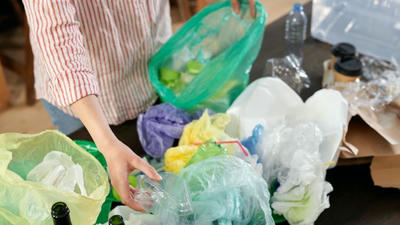
5 Tips for Managing Household Waste Efficiently
Managing household waste is an essential aspect of maintaining a clean and sustainable home. As awareness of environmental issues grows, more people are looking for ways to reduce their waste footprint and contribute to a healthier planet. Effective waste management not only helps you declutter your space but also promotes recycling, composting, and reducing overall waste.
Hot Posts
-

Best Practices for Disposing of Pet Waste: Keeping Your Home and Community Clean
-

Insurance Premiums Explained: Factors that Affect Your Coverage Cost
-

The Environmental Impact of Food Waste: Why Proper Disposal Matters
-
Top 10 Foods You Should Never Dispose of in Your Garbage Disposal
-

Types of Insurance: Exploring Coverage Options for Different Needs
-
Why Subscription Boxes Are the Future of Retail